One of the things that define RPGs is the ability to level up and increase the power of characters. There is no better feeling in an RPG than getting to that next level. Maybe the level-up system is traditional which will increase stats like HP and Defense across the board. Maybe it unlocks skills points along with stat increases and the list could go on.
RELATED:Best Combat Systems In Final Fantasy Games, Ranked
There are so many great leveling-up mechanics in RPGs that one could write a whole novel on the subject. For now, in celebration ofFinal Fantasy 16, let’s take a deep dive intoFinal Fantasy’shistory. What are the most satisfying level-up systems in this series specifically?
8Final Fantasy 6
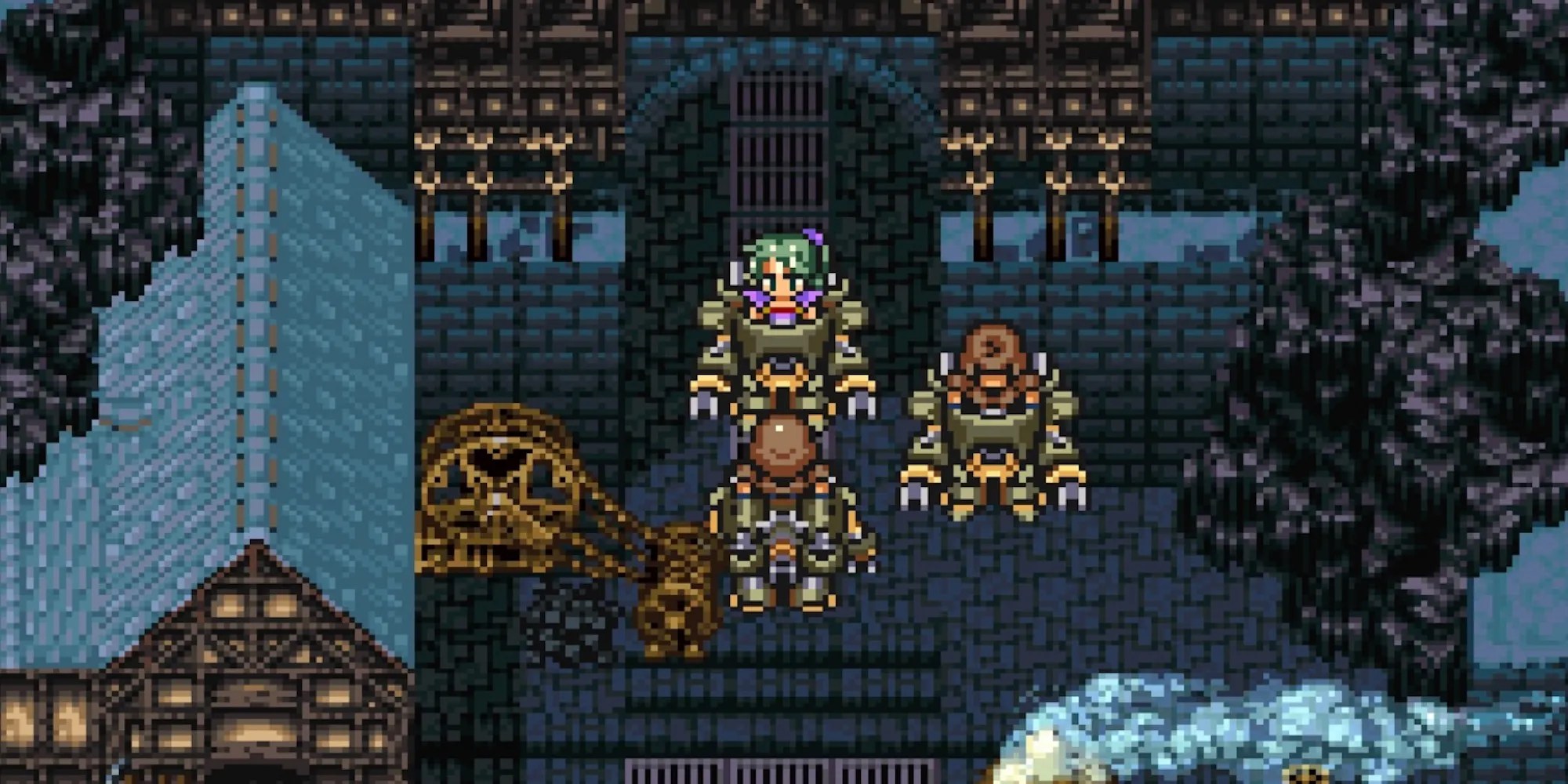
Final Fantasy 6begins like a normal RPG. Players fight monsters, gain experience, level up, and move on. Eventually, players will find Magicite which holds trapped Espers inside and Espers are this game’s version of Summons.
Any character can equip one piece of Magicite at a time which will allow them to learn l magical abilities like Cure and Fire. Also, each Esper has a level-up bonus attached and some will increase HP while others will increase defense.
7Final Fantasy 9
Final Fantasy 9has mostly a traditional level-up system except when it comes to gear. Equipping a weapon, piece of armor, or accessory will unlock new active and passive abilities. Not every character can learn these abilities though. Zidane, for example, cannot learn any magic from accessories like Vivi can.
After learning these abilities, players can then equip them but there is a limit to how many one can have at a time. It was an interesting gimmick to center the leveling-up system regarding abilities on gear.

6Final Fantasy 12
Final Fantasy 12had many strange things about it such as the MMO-style combat which has not been seen again since in a non-MMO game. Characters would level up normally but they would also gain LP which allowed them to purchase things in a system called the License Board.
RELATED:Every Final Fantasy Game Released On The Wii, Ranked
Players could buy stat boosts or unlock ways to equip new pieces of gear. Characters fell into standard Job classes on the License Board as Vaan was a like thief. However, through some effort, characters could eventually break through their molds into new territory to sort of create hybrid classes.
5Final Fantasy 7 Remake
Final Fantasy 7had a system similar toFinal Fantasy 6wherein characters could learn magic from little crystals called Materia. The system was much more involved than Magicite though as players could chain together combos with different pieces of Materia.
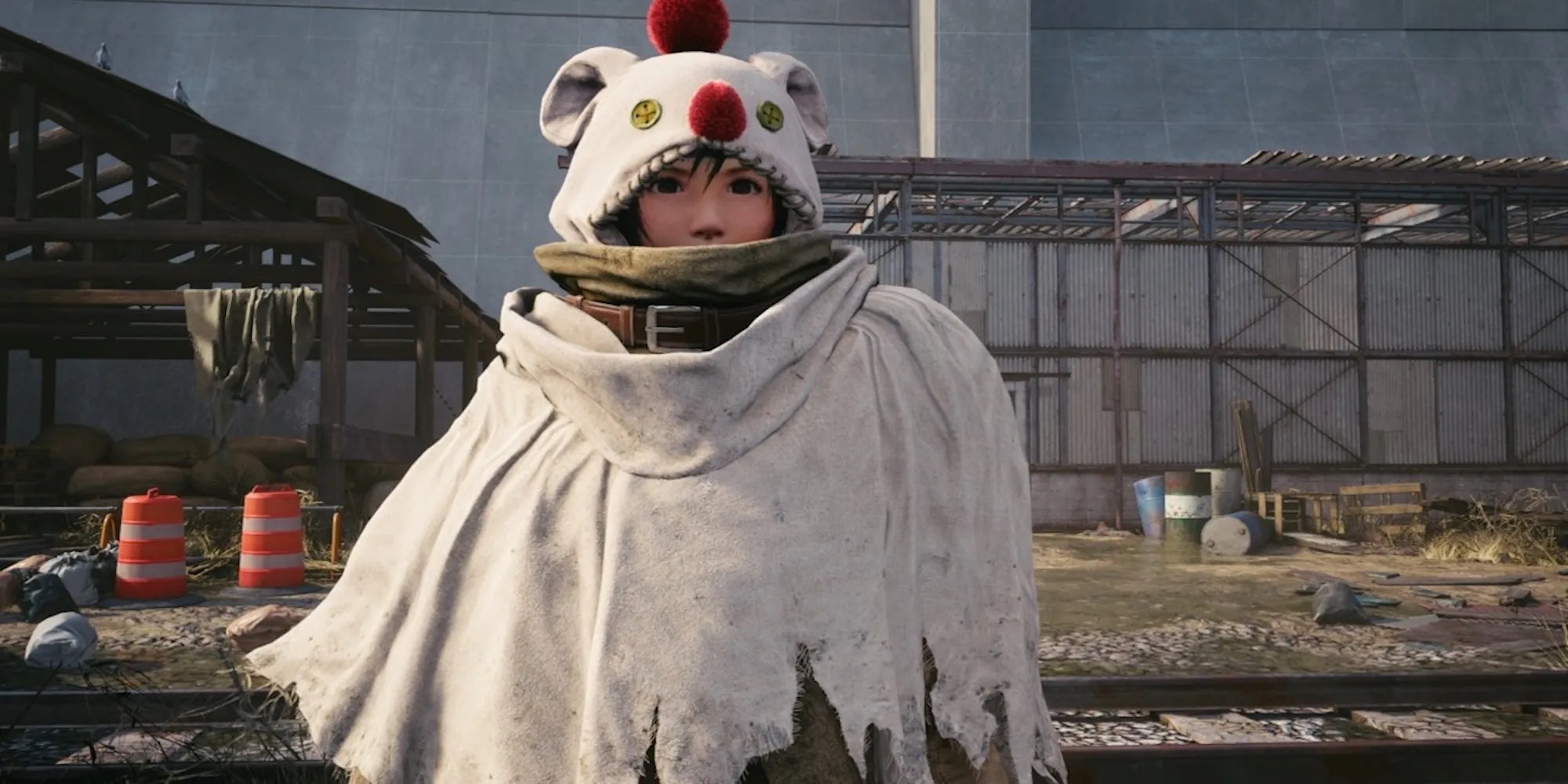
For example, they could combine All and Fire to cast fire-based spells on all enemies in battle. Learning abilities and spells were in addition to traditional leveling up. It’s a good system that the remake took to a new level when it introduced weapon leveling up too. That’s why it was chosen instead of the original.

4Stranger Of Paradise: Final Fantasy Origin
Stranger of Paradise: Final Fantasy Originis one of the newest spinoffs in the series. It was a Soulslike with a three-player co-op integrated into the action combat. Players could level up their hero, Jack, through simple means of extracting experience from enemies.
There was also a Job system in place with each one feeling unique and they all had a skill tree attached. Mastering Jobs would unlock new ones, so it always felt like something unique was around the corner.
3Final Fantasy 10-2
Final Fantasy 10-2was the sequel that no one saw coming. It was the first game in the series to have the number “2” attached to a mainline game. It broke the mold and opened the floodgates to many more mainline titles to get direct sequels. It ditched the first game’s level-up system for something traditional.
RELATED:Every Final Fantasy Game Released On The PS1, Ranked
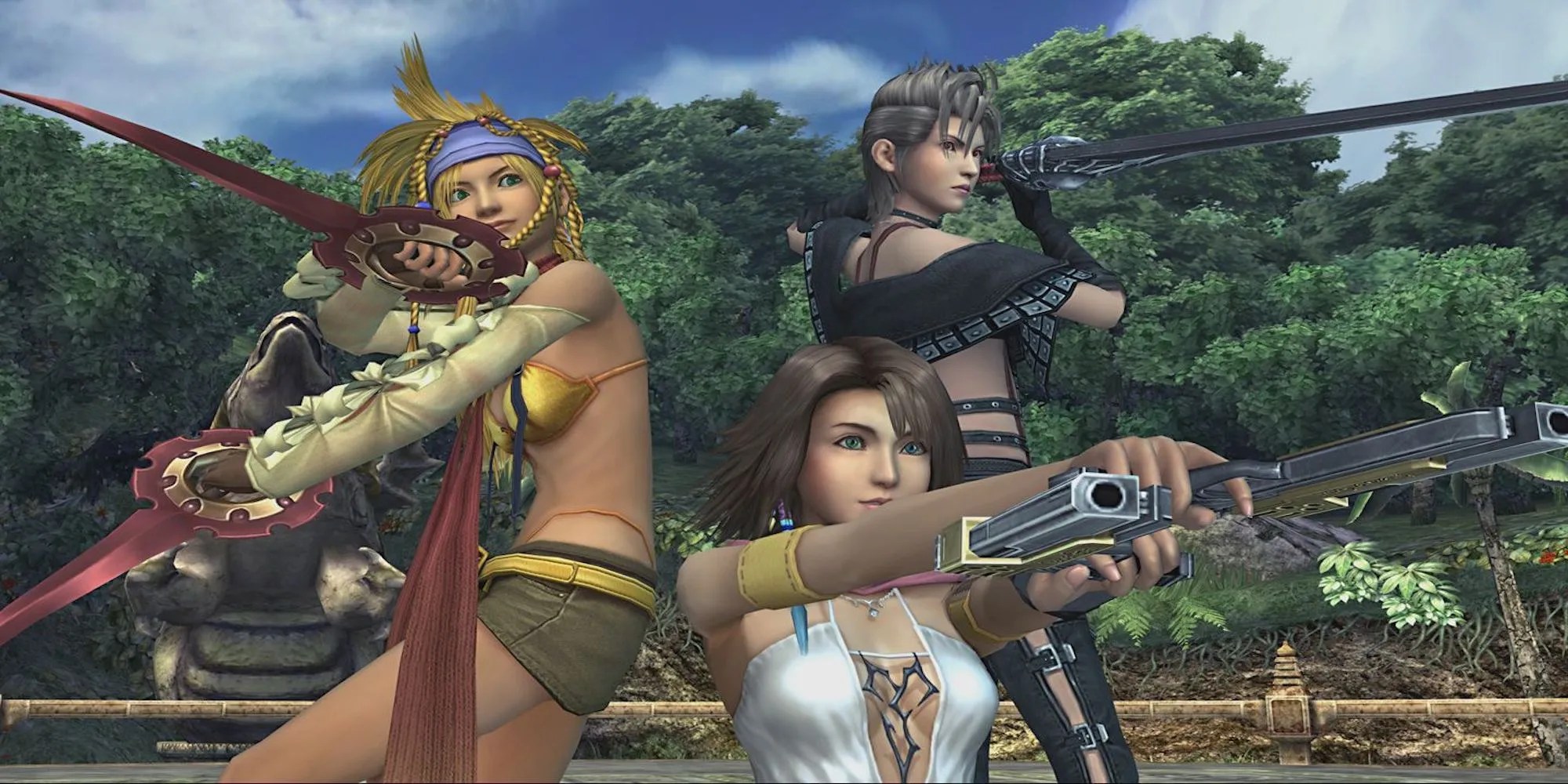
Moreover, the three heroines could equip Jobs outside and inside of combat via Dresspheres. They ran the gamut from classic Jobs like Warrior and Thief to more oddball Jobs like Mascot and Songstress. For a silly game, it has a surprisingly robust Job system.
2Final Fantasy 10
Final Fantasy 10also deserves a place on this list for being one of the weirdest systems sinceFinal Fantasy 2. This was a welcomed change unlike that RPG though as it is huge but easy enough to follow. There was no traditional leveling up through experience whatsoever.
Characters instead gained AP which they could then spend on the Sphere Grid. This is what must have inspired the License Board inFinal Fantasy 12but this game is far bigger in scope. Players could learn abilities, level up stats, and even bounce into other characters' Sphere Grids to multi-class.

1Final Fantasy Tactics
There are many games in this series with Job systems but the high point has so far beenFinal Fantasy Tactics. It was the first game to feature strategy combat and spawned a few sequels although none of them reached the heights of the original. It’s also one of the toughest games in the series because random enemies leveled up alongside the player.
Also, there was permadeath if players weren’t swift enough on the battlefield. The wealth of Jobs in this game is incredible and the ability to mix and match abilities is second to nine. It is an in-depth system that fans are still discovering secrets decades later.